

Introduction
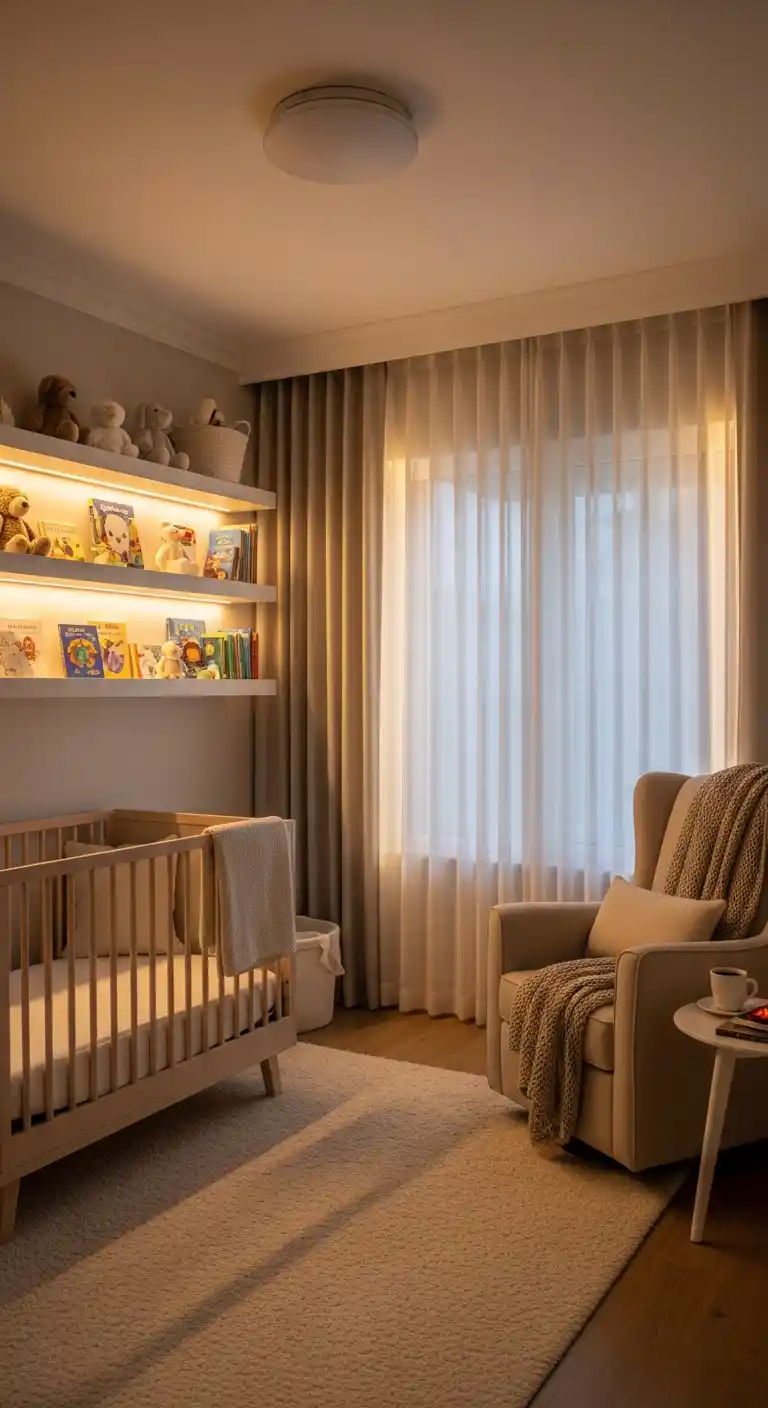
Designing a nursery that feels both magical and calming can be tricky. Many spaces end up either too stimulating or too plain, which can affect your baby’s sleep and comfort.
This guide focuses on thoughtful, unique nursery ideas that blend softness, warmth, and imagination. Each idea helps you create a peaceful environment that supports better sleep while still feeling personal and beautiful.
1. Cloud-Layer Ceiling for a Dreamy Atmosphere
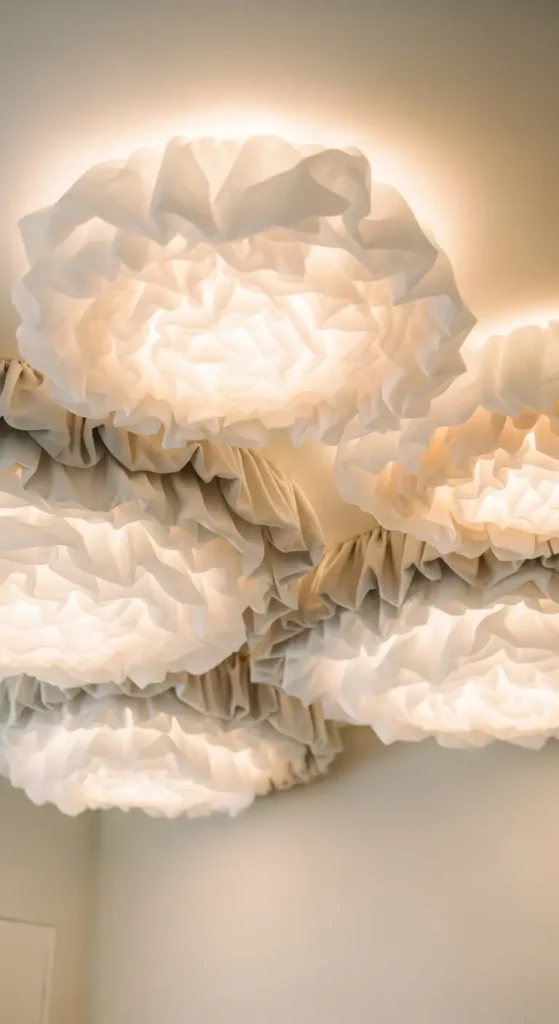
Instead of focusing only on walls, turn your ceiling into a soft visual experience. A layered cloud-style ceiling using light fabric or subtle paint gradients creates a floating, dreamy effect that naturally calms the mind.
This works especially well during bedtime because babies often look upward while lying down. Keeping tones soft and diffused avoids overstimulation while still adding a magical feel.
2. Sound-Softening Fabric Walls
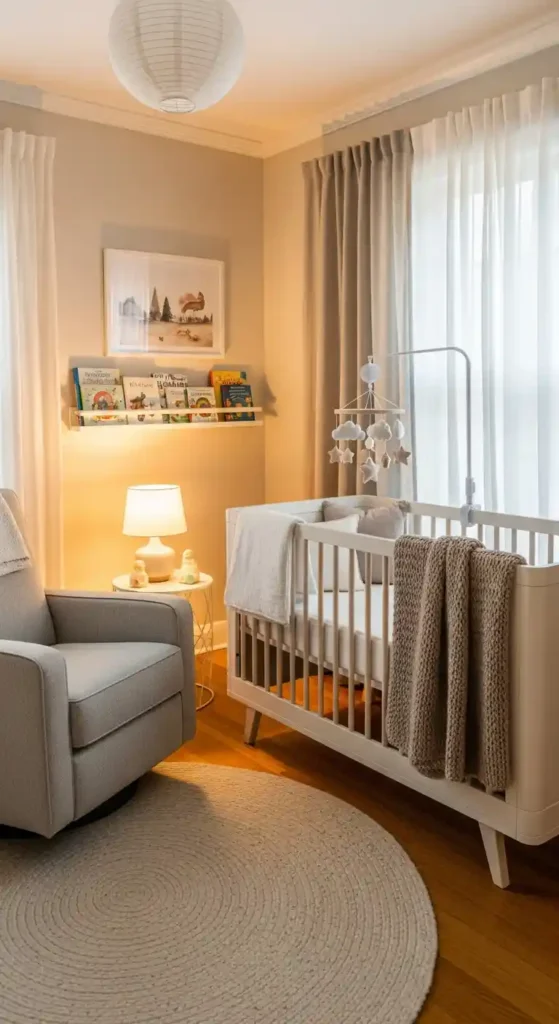
Rather than traditional decor, use padded or fabric-covered wall sections to soften both sound and visuals. This reduces echo and creates a quieter, more soothing environment.
The texture adds warmth without needing extra decoration. Soft linen or cotton panels in muted tones make the room feel safe and cozy.
3. Low-Level “Baby Perspective” Design
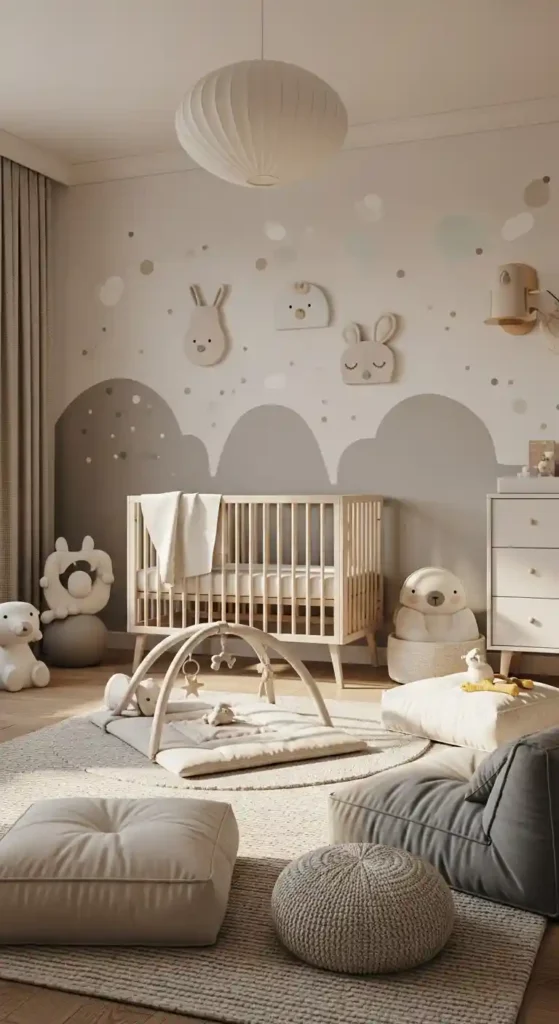
Most nurseries are designed for adults, not babies. Try placing visual elements lower on the walls where your baby can actually see them during floor time.
This creates gentle engagement without overwhelming the senses. Soft shapes and low-contrast designs keep things calm and balanced.
4. Hidden Warm Lighting Layers
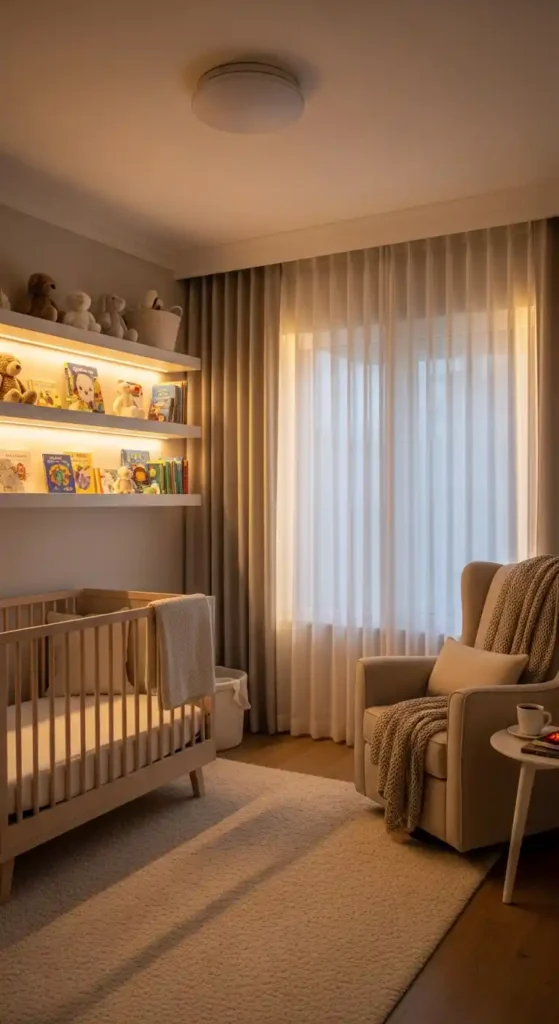
Instead of visible lamps, use hidden lighting behind furniture, shelves, or curtains. This creates a soft glow that fills the room without harsh brightness.
Layered lighting supports nighttime routines and adds a subtle magical atmosphere while keeping the space uncluttered.
5. Cocoon-Style Sleep Corner
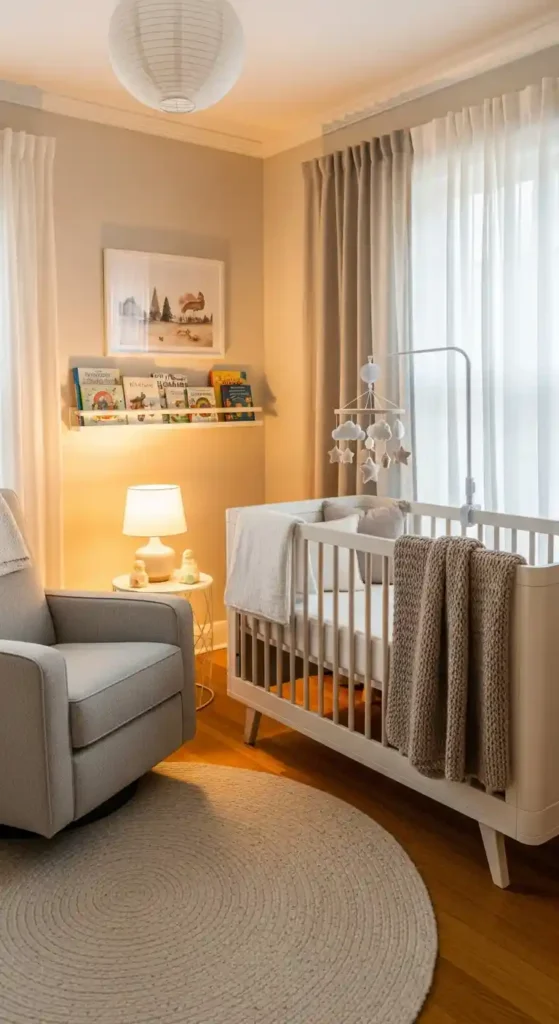
Create a slightly enclosed sleeping area using soft curtains or curved panels. This mimics a safe, womb-like feeling that helps babies relax faster.
Keep the setup breathable and minimal. The goal is comfort and calmness, not decoration.
6. Soft Movement Elements Instead of Toys
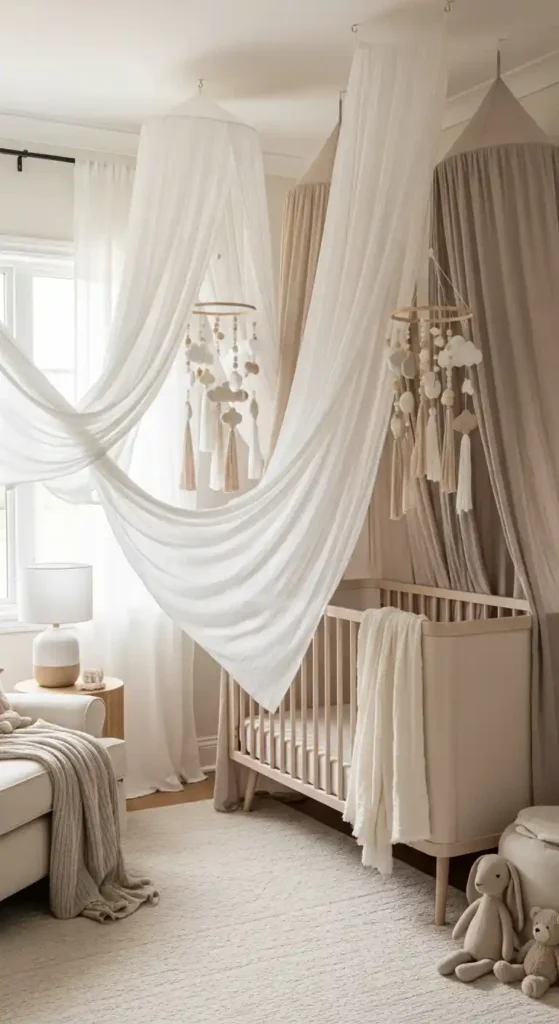
Instead of bright toys, introduce slow, gentle movement elements like soft hanging fabrics. These move naturally with air and create a calming visual effect.
This adds life to the room without overstimulating your baby, making it ideal for sleep-friendly spaces.
7. Warm Floor-Based Layout
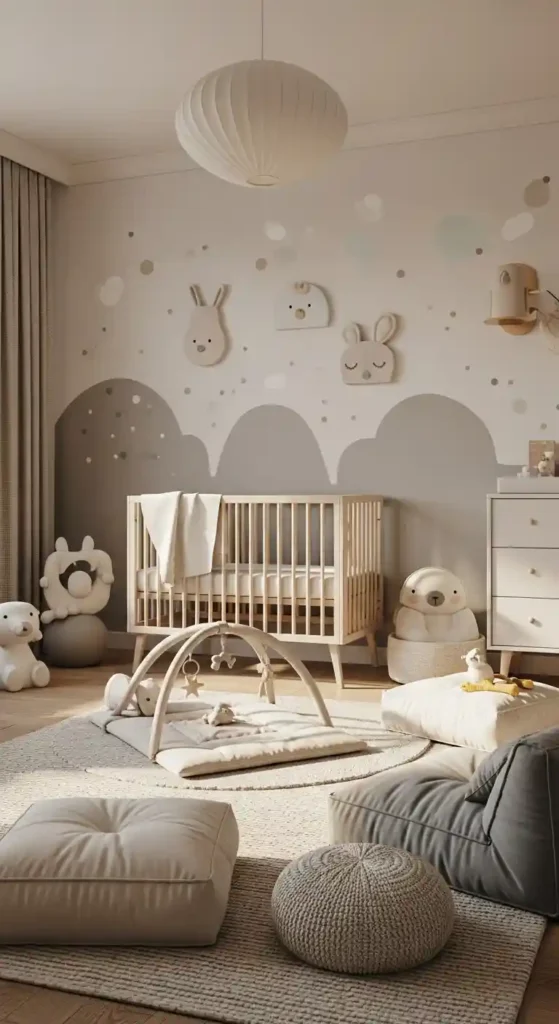
Design the nursery from the ground up with soft rugs, cushions, and low furniture. This creates a grounded and secure feeling space.
It also makes interaction easier and keeps the environment cozy and connected rather than empty and distant.
8. Light-Diffusing Curtains Instead of Only Blackout
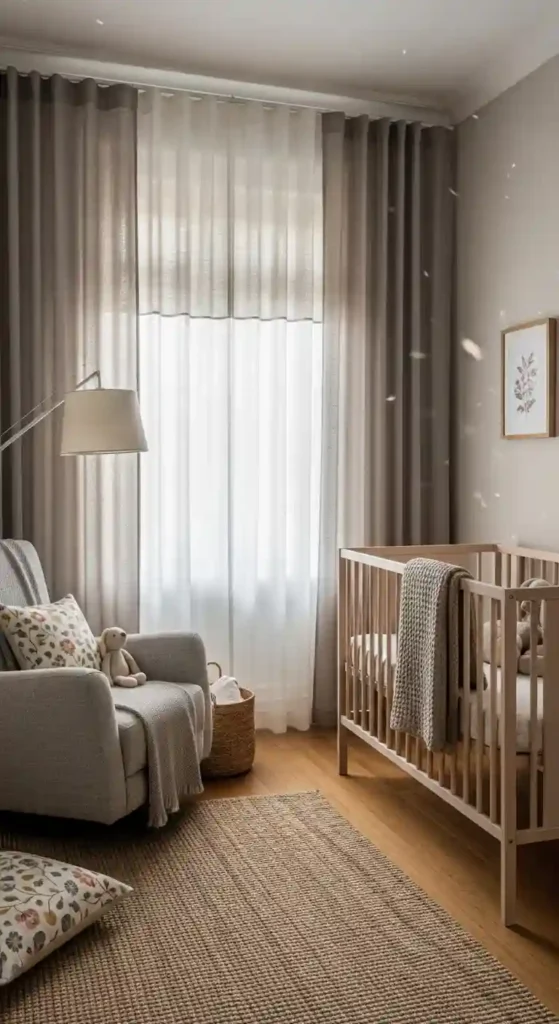
Layer blackout curtains with soft, light-diffusing fabrics. This allows gentle daylight while still maintaining a calm atmosphere.
It helps regulate natural sleep cycles and avoids sudden brightness that can disturb rest.
9. Minimal Storytelling Corners
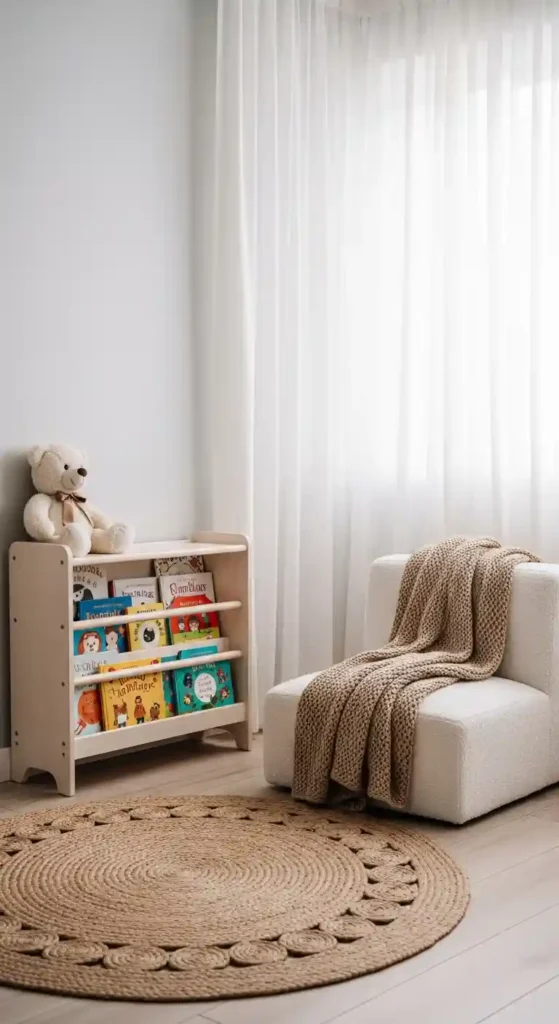
Create a small storytelling corner with just a few meaningful items. A soft toy and a couple of books are enough to build a calming routine.
Keeping it minimal prevents clutter and keeps the focus on bonding and relaxation.
10. Texture-First Design Approach
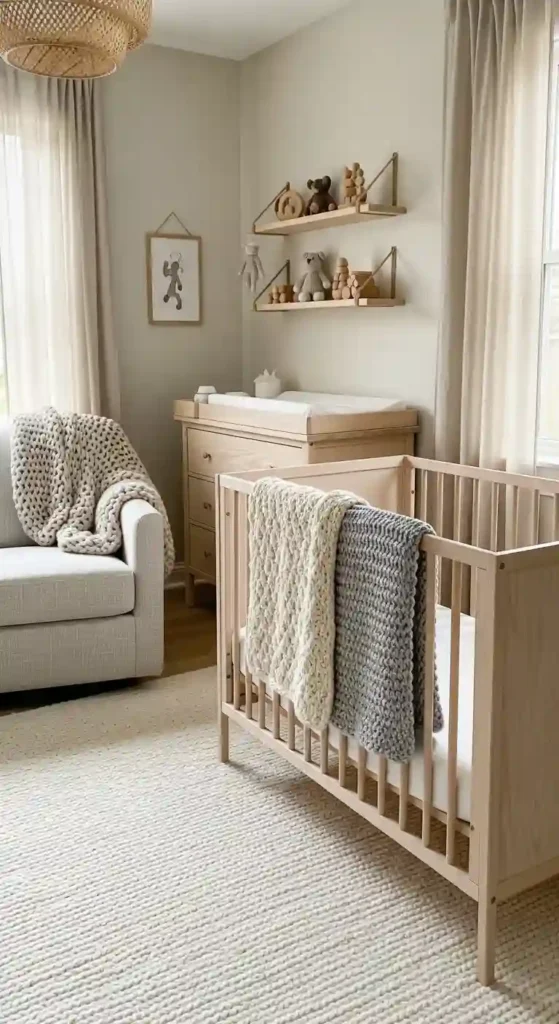
Instead of relying on colors, focus on textures like cotton, wool, and natural wood. This adds depth without overwhelming visuals.
Texture-based design feels richer and more calming, especially for sensitive environments like nurseries.
11. Gentle Transition Zones
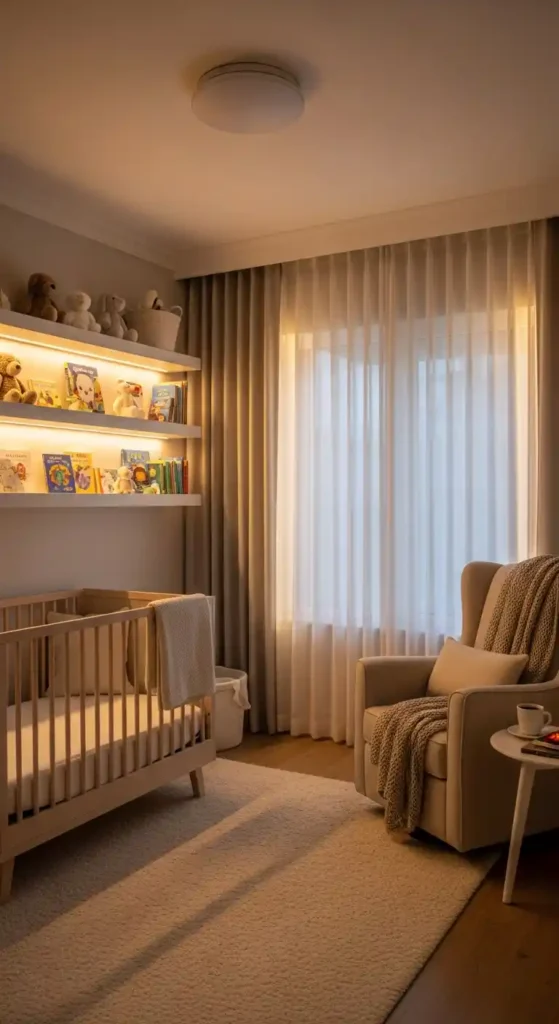
Use rugs, lighting, or subtle layout changes to separate sleep, play, and feeding areas. This creates structure without walls.
It helps the baby naturally understand different activities while maintaining a smooth and peaceful flow.
12. Intentional Empty Space
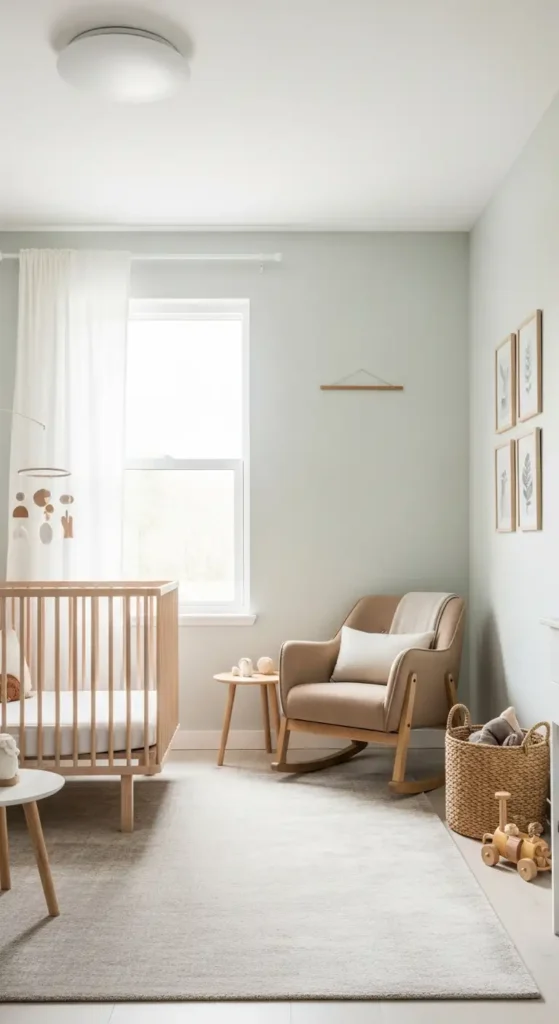
Leave some areas intentionally empty. A nursery doesn’t need to be filled to feel complete.
Open space reduces stimulation, improves movement, and creates a calm environment that supports better sleep.
Styling Tips / Extra Value Section
Start with simplicity and build slowly. A calm nursery is not about adding more—it’s about choosing better. Focus on soft lighting, breathable fabrics, and clean layouts.
Avoid overcrowding the space. Every item should have a purpose. This keeps the room peaceful and functional.
Test the room at night. If it feels too bright or busy, simplify further. A sleep-friendly nursery should feel quiet and gentle.
Final Thoughts
A cozy nursery isn’t about trends—it’s about creating a space that feels safe, soft, and peaceful for your baby.
By focusing on subtle design, calming textures, and intentional simplicity, you can build a nursery that truly supports rest and comfort. Start small and let the space evolve naturally over time.
